- The Digital Marketing Page
- Posts
- Post #42
Post #42

Starting topic:
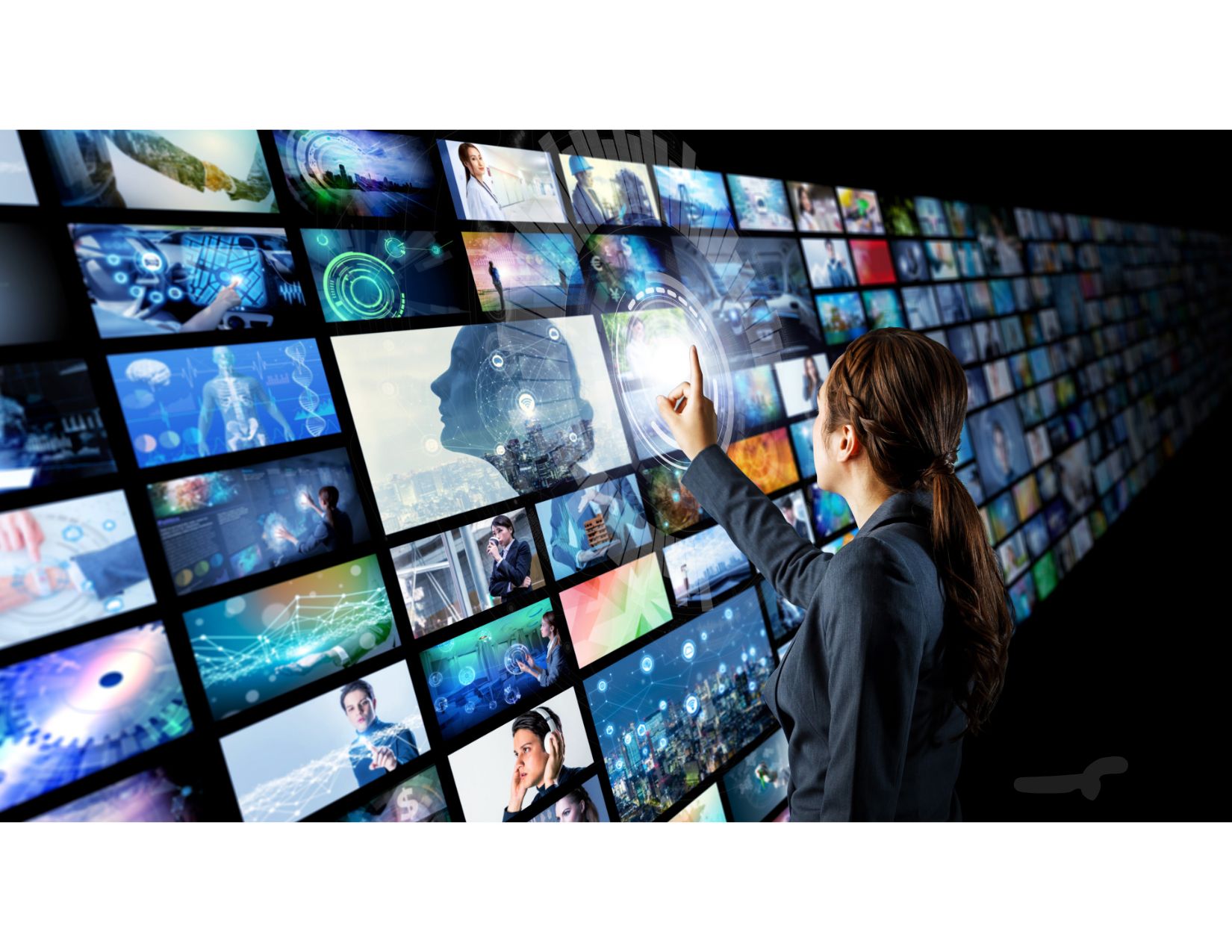
Video Marketing Isn’t a Channel Anymore — It’s the Internet Itself
If there’s one trend that defines digital marketing in 2026 more than any other, it’s this:
Video is no longer “part” of your strategy.
Video is the strategy.
Everything else—text, images, landing pages, even search—now exists around video.
How we got here
This didn’t happen overnight. It was the result of three forces colliding:
Platforms optimized for watch time, not clicks
Audiences trained to consume information visually
AI is dramatically lowering the cost of video creation
By 2026, video is the default format for:
Discovery
Education
Trust-building
Conversion
If your brand isn’t communicating in motion, you’re invisible to large segments of your audience.
Video wins because it compresses trust
Video does something no other format can do at scale:
It builds trust fast.
In seconds, video communicates:
Tone
Confidence
Credibility
Emotion
Clarity
Text explains.
Images attract.
Video convinces.
That’s why:
Product demos outperform product pages
Founder videos outperform brand ads
UGC outperforms polished commercials
Short-form video outperforms almost every other content type
In 2026, attention is scarce—but belief is scarcer. Video creates belief.
Short-form dominates the top, long-form closes the deal
One of the biggest misconceptions about video marketing is that it’s all about short clips.
In reality, short-form and long-form work together.
In 2026:
Short-form video (TikTok, Reels, Shorts) = discovery
Long-form video (YouTube, webinars, video podcasts) = depth
Live video = connection and urgency
Winning brands don’t choose one.
They design video ecosystems.
A single idea becomes:
A 30-second hook
A 3-minute explainer
A 10-minute deep dive
A live Q&A
Multiple cut-downs across platforms
One message. Infinite distribution.
Algorithms now think in video-first terms
Here’s the uncomfortable truth:
Most platforms don’t “reward content.”
They reward retention.
And nothing holds attention like video.
In 2026:
Video is prioritized in feeds
Video keeps users on platforms longer
Video generates stronger engagement signals
Video trains algorithms faster
Which means:
If you want reach, you need video.
If you want growth, you need video.
If you want relevance, you definitely need video.
Platforms follow incentives—and video aligns perfectly with them.
AI turns video from expensive to inevitable
The final reason video marketing dominates in 2026?
AI removed the friction.
What used to require:
Studios
Editors
Expensive equipment
Long timelines
Now requires:
A clear message
A decent camera (often a phone)
AI-assisted editing, captions, translations, and repurposing
In 2026, the constraint isn’t production.
It’s clarity.
The brands winning with video aren’t the ones with the best cameras—they’re the ones who know:
What they stand for
Who they’re talking to
What problem do they solve
AI handles the rest.
The real shift: from “marketing videos” to “video-native brands.”
Here’s the biggest mindset change of all:
In 2026, the best brands don’t make videos.
They are video-native.
That means:
Founders are visible
Teams are human
Stories are documented, not manufactured
Content feels ongoing, not campaign-based
Audiences don’t want perfection.
They want presence.
And video is the fastest way to show up consistently.
The takeaway
Video marketing isn’t dominant because it’s trendy.
It’s dominant because it aligns with:
How people learn
How platforms work
How trust is built
How attention flows in 2026
If you’re still asking:
“Should we invest more in video?”
You’re already behind.
The real question is:
“How do we become unmistakably recognizable on camera?”
Because in 2026, the brands people remember…
are the ones they’ve seen.
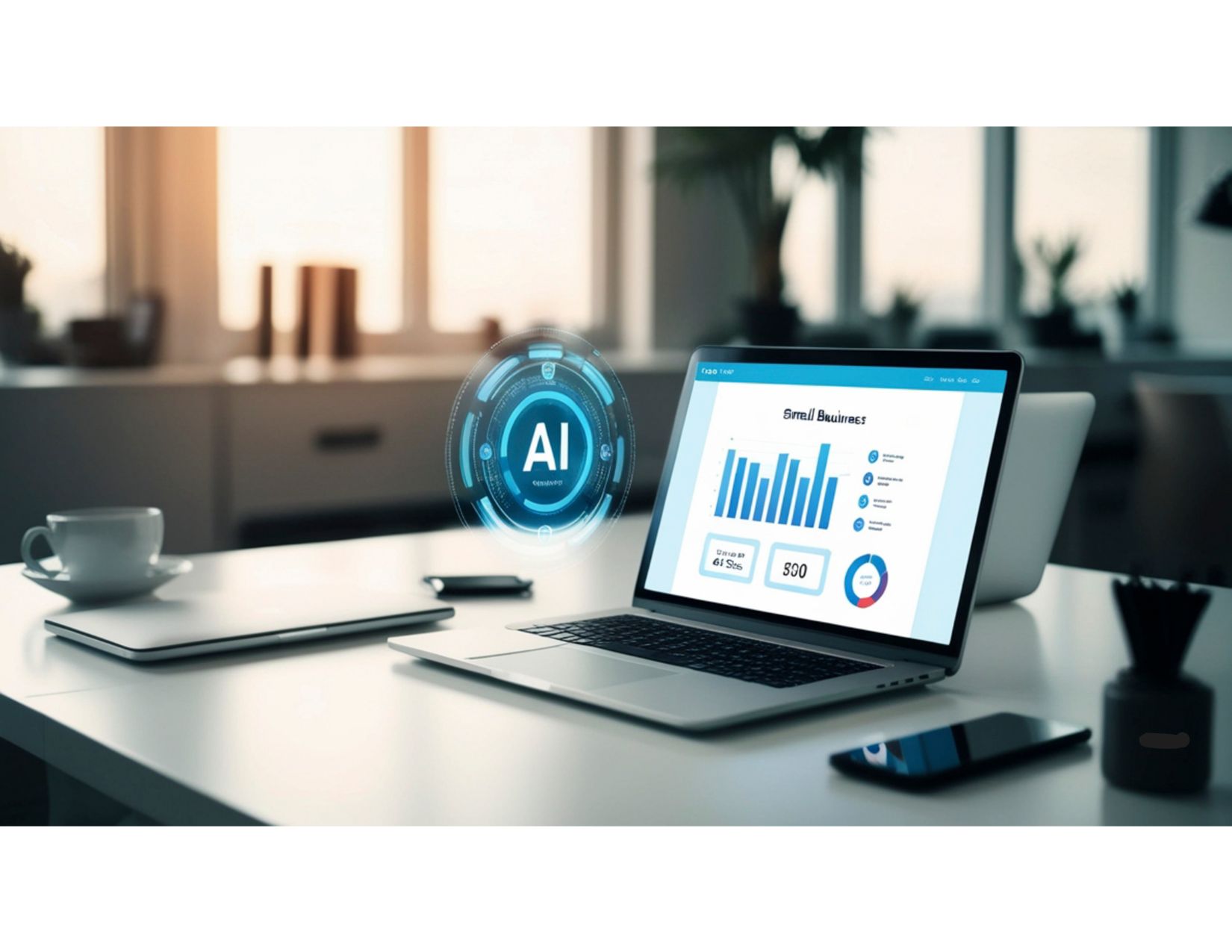
1. AI-Native Marketing Becomes the Default (Not a Differentiator)
For the past few years, “AI-powered marketing” has been a buzzword. In 2026, it’s simply… marketing.
The real shift isn’t that people are using AI. It’s that the entire marketing workflow is being rebuilt around AI-first systems, not human-first systems with AI bolted on.
What’s changing
In 2026:
Campaign ideation, copy generation, creative testing, and optimization happen simultaneously
AI doesn’t just assist — it orchestrates
Marketers move from executors to editors and strategists
Instead of:
Idea → copy → creative → test → analyze → iterate
We now see:
Strategy → AI-generated variations → live testing → continuous optimization
All at once.
Why this matters
Speed is no longer the advantage. Learning velocity is.
The brands winning in 2026 aren’t the ones posting more. They’re the ones:
Running 10x more creative experiments
Learning from performance data in real time
Adjusting messaging daily, not quarterly
AI allows small teams to operate at enterprise scale—and enterprises to move like startups.
What smart marketers are doing
Building AI playbooks, not one-off prompts
Training models on brand voice, past performance, and customer data
Using AI to predict creative fatigue before it happens
Treating every asset as a living experiment
The takeaway
In 2026, AI is no longer your edge.
How well you direct it is.
The marketers who thrive will be the ones who understand psychology, positioning, and strategy deeply enough to guide AI—rather than let it flood the market with generic output.
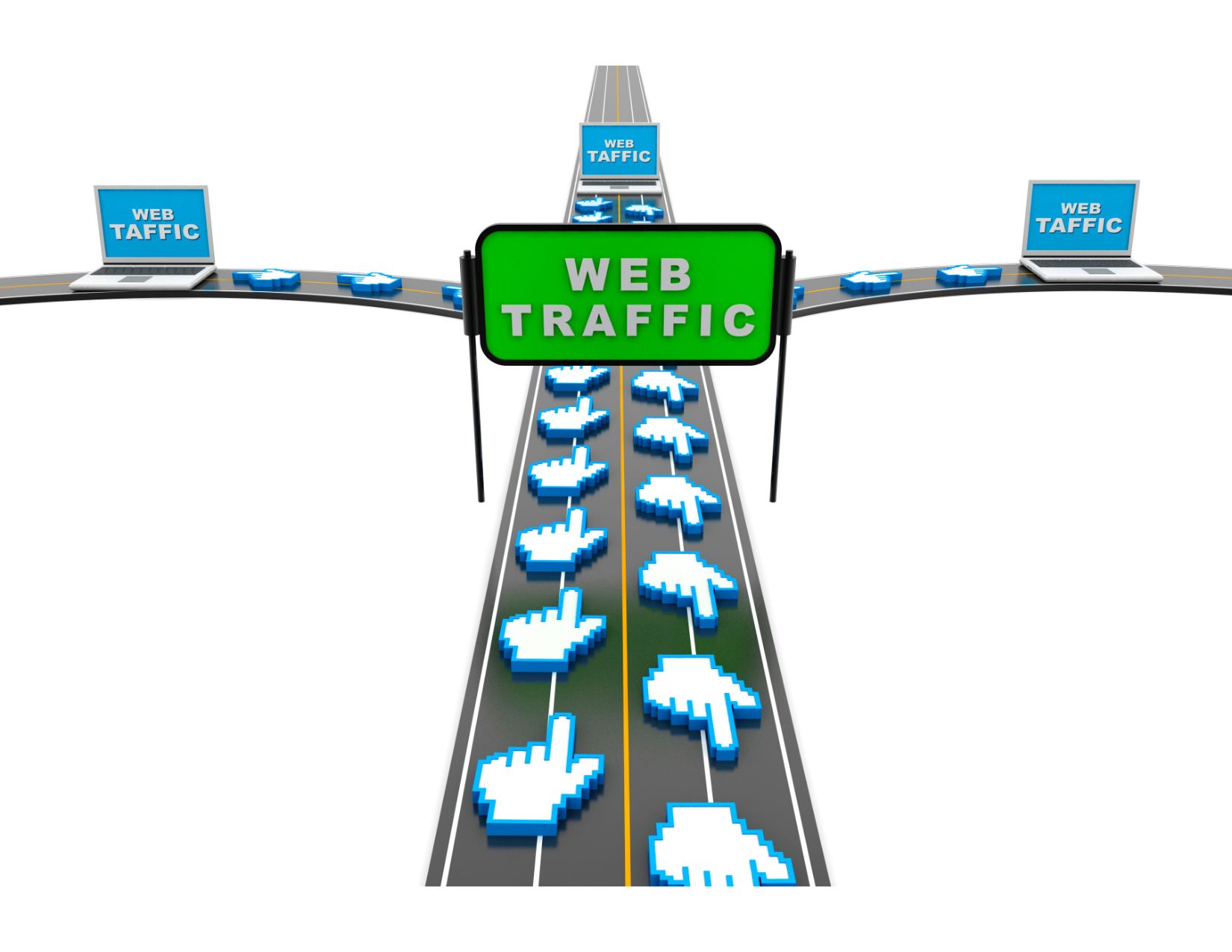
Search Is No Longer About Traffic — It’s About Presence
Search didn’t die.
But the idea of search as “10 blue links that drive clicks” absolutely did.
In 2026, search is fragmented across:
Google
YouTube
TikTok
Reddit
AI answer engines
Voice assistants
In-app discovery
And here’s the uncomfortable truth:
Most users don’t want to click anymore. They want answers.
The zero-click reality
AI-powered search tools increasingly:
Summarize content
Pull answers directly
Cite sources without sending traffic
Which means visibility ≠ visits.
The new goal of search
The goal is no longer:
“How do we rank #1?”
It’s:
“How do we become the default authority an AI cites, summarizes, or references?”
That’s a completely different game.
What actually works now
In 2026, winning brands:
Create clear, structured, opinionated content
Focus on answering specific questions, not broad keywords
Build recognizable expertise around one core topic
Publish content designed to be quoted, not just read
Search favors clarity, not cleverness.
A massive mindset shift
Traffic used to be the metric.
Now influence is.
Being the brand users see mentioned repeatedly—across AI answers, social platforms, and communities—matters more than raw clicks.
The takeaway
Search in 2026 isn’t about gaming algorithms.
It’s about earning trust at scale.
If your content helps people understand something faster and better than anyone else, the algorithms will find you.

Creators Replace Campaigns (And It’s Permanent)
The biggest lie in marketing used to be:
“People hate ads.”
People don’t hate ads.
They hate being talked at.
In 2026, the creator economy isn’t a channel—it’s the infrastructure of modern marketing.
What’s changed
Traditional campaigns are:
Expensive
Slow
Easy to ignore
Creator-led marketing is:
Native
Trust-based
Algorithm-friendly
Human
And most importantly: it feels real
The shift brands are making
Instead of:
One big launch
Polished brand messaging
Short-term spikes
Smart brands now:
Build long-term creator relationships
Treat creators as distribution partners
Allow creators creative freedom
Measure resonance, not just reach
Why creators win in 2026
Platforms reward authentic engagement
Audiences trust individuals more than logos
Creators understand their audience better than any brand deck ever could
The most effective ads in 2026 don’t look like ads at all.
They look like:
Tutorials
Stories
Reactions
Behind-the-scenes insights
The takeaway
Marketing in 2026 is no longer about shouting louder.
It’s about borrowing trust from people your audience already believes.
Brands that learn to collaborate—not control—will dominate.
Measurement Gets Harder — Strategy Gets Smarter
If you’re waiting for attribution to “get easier again,” stop.
It won’t.
Privacy changes, platform silos, and AI-generated journeys mean perfect attribution is gone for good.
But here’s the good news:
Marketing doesn’t need perfect data—it needs useful data.
The measurement reality of 2026
Last-click attribution is unreliable
Cross-platform journeys are messy
Customers move non-linearly
AI influences decisions invisibly
Trying to track everything leads to paralysis.
What winning teams focus on instead
In 2026, smart marketers:
Measure directional impact, not precision
Focus on leading indicators (engagement, saves, replies, watch time)
Combine qualitative feedback with quantitative signals
Optimize for momentum, not certainty
A smarter way to think about ROI
Instead of asking:
“Which exact post caused this sale?”
They ask:
“Is our presence making us the obvious choice over time?”
That mindset changes everything.
The takeaway
Marketing is becoming less scientific—and more strategic.
The winners aren’t the ones with the cleanest dashboards.
They’re the ones with the clearest thinking.
Final Thought
2026 isn’t about chasing tactics.
It’s about mastering fundamentals:
Clear positioning
Trust-based distribution
Smart use of AI
Long-term thinking
The tools will keep changing.
The platforms will keep shifting.
But the brands that win will always be the ones that understand people better than anyone else.